
Comparing Earthenware and Porcelain Bodies for Beginners
Two Bodies, Two Very Different Journeys
The clay body you choose shapes everything that follows: how the material feels under your fingers, how much it shrinks, what colours it will accept, and how much punishment your kiln has to dish out. For beginners, the two most accessible families are earthenware and porcelain, and comparing them is really a comparison of temperament. Earthenware is warm, plastic and forgiving, maturing at low temperatures. Porcelain is pale, precise and translucent when thin, but it asks for higher heat, slower firing and a steadier hand. Neither is superior. The right answer depends on your kiln, your patience and what you want to make.
Earthenware: Warm Colours and a Forgiving Nature
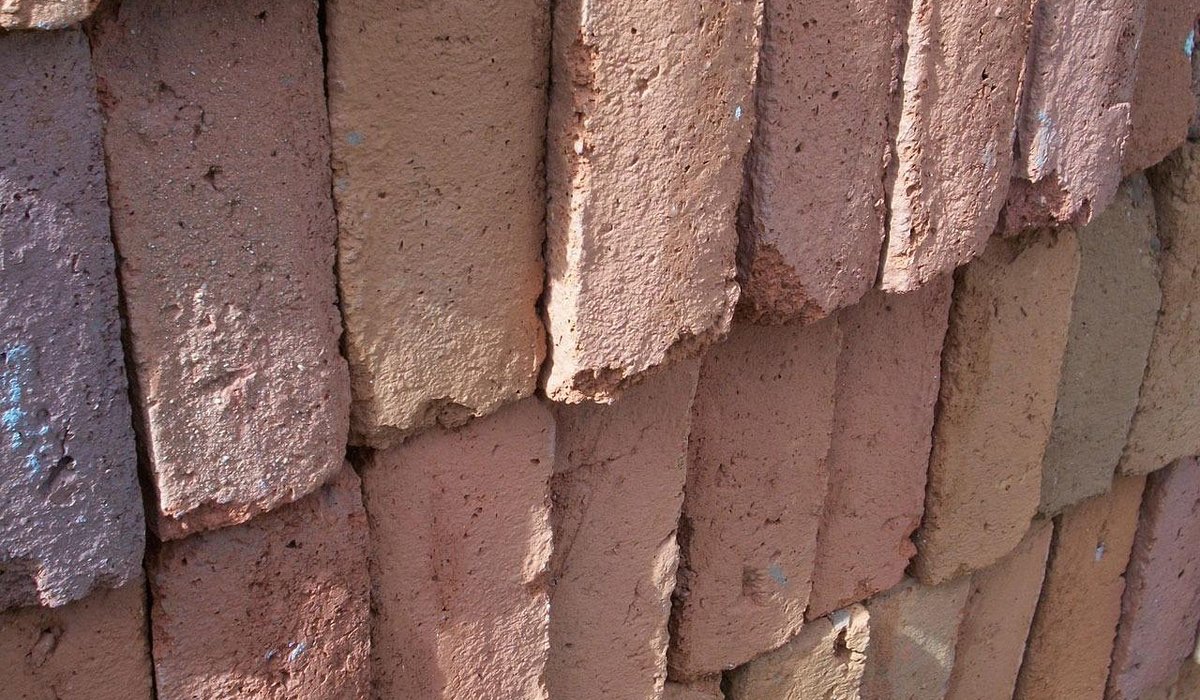
Earthenware is the body most of us meet first. Red terracotta, buff, and white earthenware all mature somewhere between roughly 1000°C and 1150°C, which means a small kiln and a modest electricity bill will see you through. The iron oxide in terracotta gives it that familiar warm russet colour, and after firing the body stays porous, so glaze is not merely decorative — it is what makes a pot watertight and food-safe.
Its working properties are generous. Earthenware is highly plastic, tolerates uneven wall thickness, takes grog happily for larger hand-built forms, and goes on accepting joins and adjustments long after porcelain would have given up. Shrinkage is typically around 5–8%, so a mug you throw does not surprise you too much on the shelf.
Decoration is where earthenware shines. Slips, underglazes, majolica, sgraffito and low-fire glazes all sit comfortably on it, and the palette runs from soft butter yellows to vivid turquoise. The trade-offs are real, though: the fired body is softer, so rims chip more readily, and glazes can craze if their expansion does not match the clay. Outdoors, unglazed terracotta absorbs water, and in a hard British frost that water expands and spalls the surface.
Porcelain: Translucent, Precise and Demanding
Porcelain is built from kaolin, feldspar and quartz, with a plasticiser such as ball clay to bring it into a workable state. Most porcelain bodies vitrify between about 1200°C and 1300°C, although mid-fire versions exist around cone 6. Once fired properly, the body is non-porous, frost-resistant and — where the wall is thin, perhaps 2–3 mm — genuinely translucent. Held to a lamp, a porcelain bowl glows.
That beauty comes with demands. Porcelain has a narrow working window: it goes from perfectly plastic to slumping very quickly, and it has a long memory, meaning a twist or a stretched wall often reappears during firing. Shrinkage is high, commonly 12–15%, and uneven drying is punished with cracks. At temperature, thin sections warp and sag, so kiln shelves need careful support. Porcelain also demands thorough wedging to chase out air pockets that would cause bloating.
Glaze response is superb. Because the fired surface is bright white, transparent glazes, celadons and copper reds read true and luminous. Reduction firing can tint the body slightly blue-grey, which some potters chase deliberately.
Firing Temperatures, Shrinkage and Kiln Practicalities
Before committing, check what your kiln can actually do. The differences are not trivial.
- Earthenware: bisque around 1000°C, glaze firing around 1040–1100°C. Faster cycles, less wear on elements, cheaper kiln furniture.
- Porcelain: bisque around 1000°C, glaze firing typically 1220–1280°C. Slower ramps, a soak of 15–30 minutes, and controlled cooling to avoid dunting.
- Shrinkage: plan for roughly 6% with earthenware and 13% with porcelain, and always make test tiles from your own batch.
- Stacking: earthenware tolerates closer packing; porcelain prefers generous spacing and flat, well-supported shelves.
Throwing, Hand-Building and Glazing in Practice
On the wheel, earthenware lets you learn without punishment. You can pull a wall, notice it is thin, and push it back. Porcelain rewards confidence and a light touch: keep the clay moving, use less water than you think, and accept that a form made at 10 a.m. may need finishing before lunch. Hand-building suits earthenware beautifully, especially with grog for larger pieces; porcelain coils and slabs are possible but need firm leather-hard timing and careful joining.
Glazing follows the same logic. Earthenware glazes are formulated for a porous, high-expansion body, so crazing usually points to a fit problem rather than a fault in your brushwork. Porcelain glazes must match a dense, low-expansion body; a glaze that fits one porcelain may shiver off another. Always test on your own clay.
Choosing a Body for Your Bench and Garden
If your kiln tops out around 1100°C, or you want bright colour, quick results and a forgiving material, start with earthenware. Make planters, tiles, kitchen pots and generous hand-built forms, and keep unglazed terracotta under cover when frost threatens.
If you have access to 1250°C or above, enjoy slow, careful work, and want thin, translucent tableware that will shrug off a British winter outdoors, porcelain is worth the learning curve. Consider making your first ten pieces simple — tumblers, small bowls, test tiles — and keep a notebook of shrinkage, glaze fit and firing curves. Whichever you pick, buy a small quantity first, throw a few cylinders, and let the clay tell you whether you two get along.
tag: Clay Types

Sophie Ashworth Author
Save dried scraps by slaking them in water, mixing to a workable consistency, and wedging before storing in sealed bags.
YOU MAY ALSO LIKE
Recycling Clay Scraps into Usable Batches
Aug 9
10Plan ventilation, dust control and electrical safety before installing a wheel, kiln and shelving in your workspace at home.
read more
Setting Up a Home Pottery Studio Safely
Aug 6
10Start with a wire cutter, sponge, wooden rib, needle tool and calipers to cover most hand-building and wheel projects.
read moreWheel Throwing
-

ERRIC CATONA
Keep clay, glazes and tools within easy reach by using labelled shelves, stackable boxes and a dedicated wedging table.
May 19, 2016 at 5.12 pm
Reply
ERRIC CATONA
Throw or hand-build mugs with comfortable handles, food-safe glazes, and durable rims that withstand regular washing and heating.
May 19, 2016 at 5.12 pm
Reply -
ERRIC CATONA
Design wall plates with carved patterns, coloured slips or oxides, then mount them securely using plate hangers and felt pads.
May 19, 2016 at 5.12 pm
Reply
Hand Building
Your email address will not be published.